Truck Bed Tent vs Traditional Camping: Key Differences, Benefits, and Use Cases
Truck bed tents and traditional camping differ across 8 key dimensions: setup time, comfort, weather protection, use cases, limitations, cost, gear systems, and situational suitability. Truck bed tents use vehicle-mounted structures with 10 to 20 minute setup times, while ground tents use stake-based systems with 15 to 30 minute setup times. Key differences include space limits of 50 to 65 inches in truck beds, terrain dependency like soil, sand, and grass for ground tents, and access ranges such as vehicle access versus 0.5 to 5-kilometer walk-in distances. Additional factors include gear requirements like air mattresses, sleeping pads, and storage systems, along with cost ranges between $50 and $400. According to Outdoor Industry Association, over 60% of camping occurs in developed areas, reflecting varied usage conditions.
What Is a Truck Bed Tent and How Does It Work?
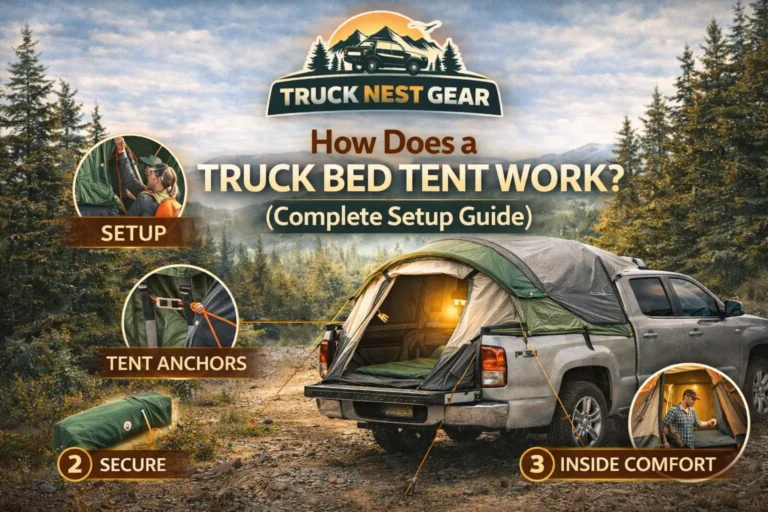
A truck bed tent is a vehicle-mounted shelter that fits inside a pickup truck bed to create an elevated sleeping space above ground. It attaches using 6 to 12 adjustable straps and anchor clips, based on truck bed size and tent design. These straps connect to tie-down cleats, bed rails, and wheel wells, which stabilize the structure. Truck bed tents include 5 core components: fabric canopy, support poles, rainfly, floor base, and mesh windows. For example, canopies use polyester or nylon, poles use fiberglass or aluminum, and mesh windows reduce condensation through airflow.
The working mechanism uses pole-supported framing and tension-based anchoring to maintain structure. Support poles form 2 common shapes: dome structures and tunnel structures, which distribute weight evenly. Straps apply tension across 4 to 6 anchor points, which reduces movement during use. This system maintains stability in wind speeds of 20 to 30 mph, depending on design and setup accuracy. According to SEMA, over 65% of truck campers use vehicle-mounted tents due to faster setup and improved stability compared to ground tents.
The setup process includes 4 steps: placing the base, assembling poles, securing straps, and tightening all connections. Most models require 10 to 20 minutes for full setup, depending on pole complexity and bed size. For example, color-coded pole systems reduce setup errors, while larger tents for 6.5-foot beds and 8-foot beds require more alignment. The elevated structure reduces exposure to ground elements like mud, rocks, and insects, improving cleanliness. Most truck bed tents support 3-season use, including spring, summer, and fall conditions.
What Is Traditional Camping?
Traditional camping is an outdoor activity where people set up shelters on the ground using portable tents at natural or designated campsites. It includes 4 main elements: ground tents, sleeping gear, cooking equipment, and campsite selection. For example, ground tents include dome tents, tunnel tents, and cabin tents, while sleeping gear includes sleeping bags, air mattresses, and foam pads. Campers choose flat surfaces like grass fields, forest clearings, and designated campgrounds, which improve stability and drainage.
The setup process includes 4 steps: selecting a site, preparing the ground, pitching the tent, and organizing gear. Ground tents use pole systems and 6 to 12 stakes, depending on tent size and wind conditions. For example, stakes secure corners and guylines, while poles create the frame structure. Many campers use groundsheets like polyethylene tarps, nylon footprints, and coated fabric layers, which reduce moisture and improve durability.
The camping experience involves direct ground contact and exposure to environmental conditions. Campers face natural factors like uneven terrain, temperature changes, and insects, which affect comfort and safety. Ground contact increases heat loss, which makes insulation necessary through sleeping pads. Most tents support 3-season use, including spring, summer, and fall, and use waterproof materials rated between 1,000 and 3,000 mm, which resist light to moderate rainfall. According to Outdoor Industry Association, over 40 million people in the United States camp annually, with ground camping as the most common method.
Truck Bed Tent vs Traditional Camping: Key Differences
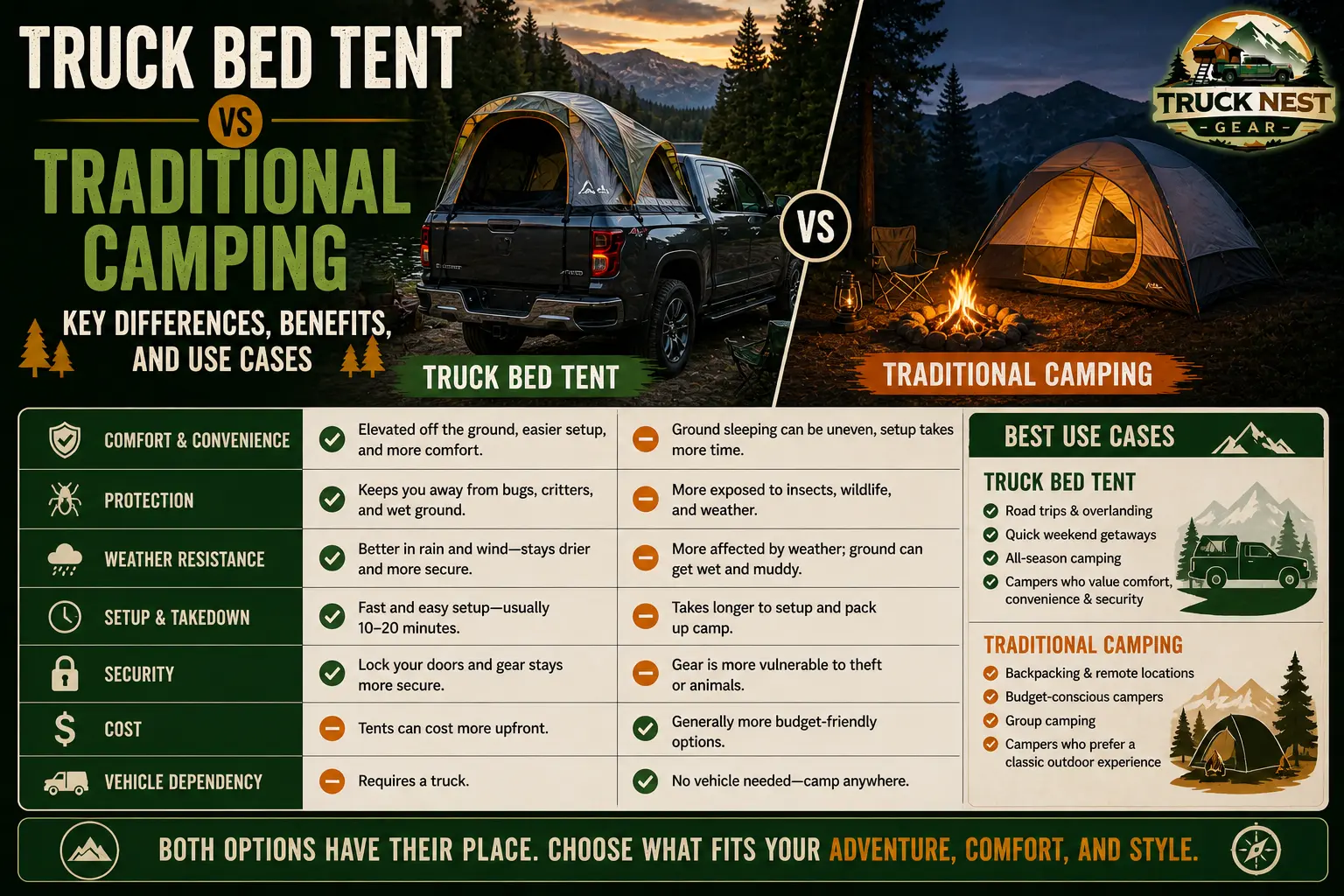
Truck bed tents and traditional camping differ across 4 key factors: setup time, setup location, structural design, and mobility. Truck bed tents install inside pickup beds like Ford F-150, Toyota Tacoma, and RAM 1500. Traditional camping uses ground tents like dome tents, tunnel tents, and cabin tents, placed on surfaces like grass fields, forest clearings, and campsites.
Setup time differs based on anchoring systems and structure complexity. Truck bed tents require 10 to 20 minutes, using straps and pole frames. Ground tents require 15 to 30 minutes, using poles and 6 to 12 stakes, depending on size and wind conditions. For example, cabin tents require more time than dome tents due to larger frames.
Setup location differs by elevation and surface dependency. Truck bed tents sit 2 to 3 feet above ground inside truck beds, reducing direct contact. Ground tents require flat terrain like soil, sand, and grass, which requires site preparation for stability and drainage.
Structural design differs in support systems and anchoring methods. Truck bed tents use vehicle-supported frames with 4 to 6 anchor points, connected to bed rails and cleats. Ground tents use freestanding or staked frames, which rely on poles and multiple ground stakes for stability.
Mobility differs in relocation speed and setup dependency. Truck bed tents move with the vehicle, allowing relocation within minutes across locations like campsites, parking areas, and trails. Ground tents require full disassembly before relocation, which increases setup repetition. According to Outdoor Industry Association, over 60% of campers use ground tents, while vehicle-based camping represents a smaller but growing segment.
Comfort Comparison: Sleeping Experience and Space
Truck bed tents and traditional camping differ in comfort across 3 factors: sleeping space, sleep systems, and environmental conditions. These factors affect body movement, surface support, and exposure to temperature and noise.
Sleeping Space and Movement
Sleeping space differs by platform width, length, and headroom. Truck bed tents provide fixed dimensions based on bed size, such as 5.5-foot, 6.5-foot, and 8-foot lengths, with widths of 50 to 65 inches between wheel wells. For example, narrow widths restrict side movement and gear placement. Ground tents provide flexible floor space, allowing wider movement and multiple sleeping positions. For example, cabin tents, dome tents, and tunnel tents offer open layouts with higher headroom for sitting.
Mattress and Sleep Setup Options
Sleep systems differ by surface firmness and insulation requirements. Truck bed tents use hard bed surfaces, which require padding like air mattresses, foam pads, and self-inflating mats. Ground tents require insulated layers, which include sleeping pads, cots, and layered bedding systems. For example, foam pads and air pads use R-values between 2 and 5, which reduce heat loss from the ground. According to Sleep Foundation, medium-firm surfaces improve spinal alignment and reduce pressure points during sleep.
Temperature, Airflow, and Noise
Environmental comfort differs by elevation, insulation, and airflow control. Truck bed tents sit 2 to 3 feet above ground, which improves airflow and reduces moisture exposure. Ground tents remain on soil, where cold air pooling increases heat loss during night hours. Both setups use ventilation features like mesh windows, roof vents, and door panels, which regulate airflow. For example, mesh panels reduce condensation, while rainflies block rain entry. According to Outdoor Industry Association, ventilated tents reduce internal condensation by up to 30%, improving dryness. Noise transmission differs, as ground tents transfer vibrations from footsteps and terrain more directly than elevated setups.
Setup and Convenience: Ease of Use
Truck bed tents and traditional camping differ in ease of use across 4 factors: setup time, setup complexity, packing process, and relocation effort. Truck bed tents require 10 to 20 minutes, using straps and pole frames attached to fixed points. Ground tents require 15 to 30 minutes, using poles and 6 to 12 stakes, depending on size and terrain. For example, dome tents, tunnel tents, and cabin tents vary in setup time due to structural complexity and pole count.
Setup complexity differs by component count and alignment requirements. Truck bed tents use 8 to 15 components, including straps, poles, and fabric panels. Ground tents use 10 to 25 components, including poles, stakes, guylines, and rainflies. For example, guylines and stakes require correct tension for stability, especially on uneven or hard ground surfaces.
Packing and unpacking differ by weight, volume, and drying requirements. Truck bed tents weigh 20 to 40 pounds and pack into 1 to 2 bags, which fit inside vehicles. Ground tents weigh 5 to 25 pounds and pack into 2 to 4 parts, including tent body, poles, stakes, and rainfly. For example, wet tents require drying to prevent mold formation, which increases packing time.
Relocation effort differs by teardown requirements and movement distance. Truck bed tents allow movement over short distances, like 50 to 200 meters, within campsites and parking areas. Ground tents require full teardown before relocation, including removing stakes and disassembling poles. According to Outdoor Industry Association, over 55% of campers consider setup and packing time a key convenience factor.
Weather Protection and Safety
Truck bed tents and traditional camping differ in protection and safety across 3 factors: weather resistance, exposure to insects and wildlife, and structural stability. These factors determine performance in rain, wind, and outdoor risks.
Rain, Wind, and Extreme Conditions
Weather protection differs by elevation, anchoring method, and material resistance. Truck bed tents sit 2 to 3 feet above ground, which reduces water pooling during rain. Ground tents require flat terrain like soil, sand, and grass, which need proper drainage. Both use waterproof materials rated between 1,000 and 3,000 mm, which resist light to moderate rain. For example, rainflies, sealed seams, and coated fabrics improve water resistance. Wind tolerance ranges between 20 to 40 mph, depending on anchoring strength and setup quality.
Protection from Bugs and Wildlife
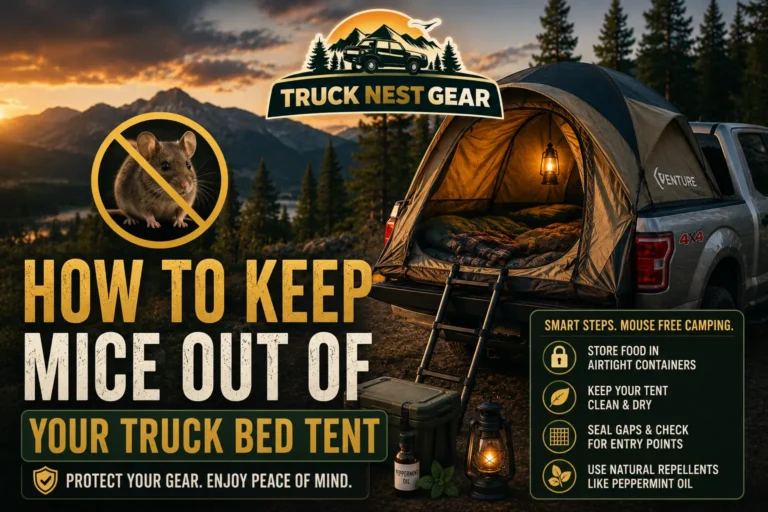
Exposure to insects and animals differs by elevation and enclosure design. Truck bed tents reduce contact with ground insects like ants, beetles, and ticks, due to elevation. Ground tents remain on soil, increasing exposure to insects and small animals. Both use protective features like mesh screens, zippered doors, and sealed floors, which block entry points. For example, fine mesh blocks mosquitoes, flies, and gnats. According to Centers for Disease Control and Prevention, ticks and mosquitoes transmit multiple diseases, increasing outdoor health risks.
Safety Considerations and Limitations
Safety differs by stability, elevation, and environmental conditions. Truck bed tents depend on vehicle stability and parking angle, with safe limits under 5 to 10 degrees slope. Ground tents depend on terrain conditions like rocks, slopes, and loose soil, which affect balance. For example, uneven ground increases shifting risk during sleep. Elevated setups introduce fall risks from heights of 2 to 3 feet, while ground tents increase flood risk during heavy rain. According to National Park Service, environmental factors like terrain and weather cause most camping-related incidents.
Real-World Use Cases: When Each Option Is Commonly Used
Truck bed tents and traditional camping are used in 3 common scenarios: road travel, established campgrounds, and remote backcountry areas. These scenarios differ by access type, trip duration, and terrain conditions.
Truck bed tents are used during vehicle-based travel and short-duration stops. These setups appear on road trips, overlanding routes, and highway rest areas, where vehicles like Ford F-150, Toyota Tacoma, and RAM 1500 provide direct access. For example, campers stop at campsites, parking areas, and trailheads for overnight stays. Truck-based setups support relocation across multiple locations within 1 to 3 days, especially along continuous travel routes.
Traditional camping is used in fixed-location and limited-access areas. These setups appear in designated campgrounds, national parks, and backcountry zones, where access includes drive-in sites and walk-in distances of 0.5 to 5 kilometers. For example, forest clearings, mountain sites, and lakesides require ground tents like dome tents, tunnel tents, and cabin tents. According to Outdoor Industry Association, over 60% of campers use developed campgrounds, while backcountry camping remains a smaller segment.
Usage patterns differ by trip duration, group size, and relocation frequency. Truck bed tents support short stays of 1 to 3 nights, often for solo travelers or small groups. Ground tents support longer stays of 2 to 7 nights, including group camping events and fixed campsites. For example, extended trips in forests, deserts, and mountain regions rely on ground setups due to flexible placement and larger usable space.
Common Problems and Limitations
Truck bed tents and traditional camping present 4 common limitations: fit compatibility, space constraints, ground conditions, and setup challenges. Truck bed tents require exact bed sizes like 5.5-foot, 6.5-foot, and 8-foot lengths, and mismatches cause loose fitting and reduced stability. For example, models designed for Ford F-150, Toyota Tacoma, and RAM 1500 may not fit other trucks. Space remains limited to 50 to 65 inches width, restricting movement and gear storage.
Ground tents depend on terrain types like soil, sand, and grass, which affect stability and drainage. Uneven or sloped surfaces increase setup difficulty and sleeping discomfort. Setup challenges include pole alignment, stake placement, and tension adjustment, which require correct sequencing. For example, hard ground can prevent stake insertion, while wet ground increases slipping risk. According to Outdoor Industry Association, over 50% of campers report setup complexity and site conditions as common challenges.
Cost Comparison: Equipment and Long-Term Use
Truck bed tents and traditional camping differ in cost across 3 areas: initial gear price, maintenance frequency, and additional equipment needs. Truck bed tents cost $120 to $400, depending on materials like polyester, nylon, and fiberglass frames. Ground tents cost $50 to $300, including types like dome tents, tunnel tents, and cabin tents. Additional equipment includes sleep systems like air mattresses, foam pads, and sleeping bags, which add $50 to $200, and accessories like tarps, footprints, and bed mats.
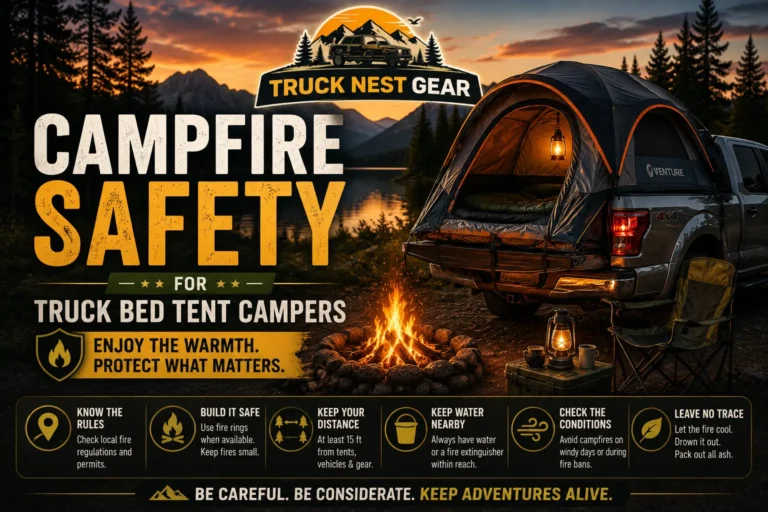
Maintenance and long-term costs differ by surface exposure and usage frequency. Truck bed tents experience less abrasion, while ground tents face wear from surfaces like rocks, sand, and soil, increasing repair needs. For example, tent floors, stakes, and zippers require periodic replacement. According to Outdoor Industry Association, campers spend $200 to $600 annually on gear and maintenance, depending on trip frequency and conditions.
Gear and Setup Differences
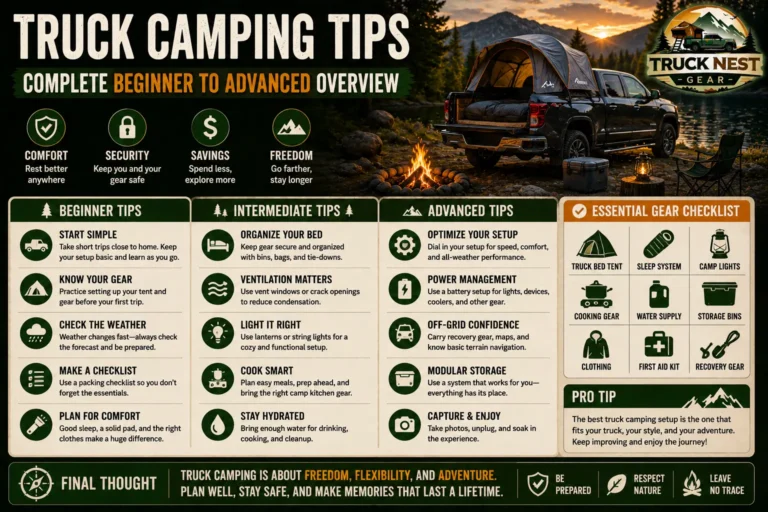
Truck bed tents and traditional camping differ in gear systems across 3 areas: sleeping setups, storage organization, and required accessories. Truck bed tents use vehicle-supported sleeping systems like air mattresses, foam pads, and inflatable beds, which fit bed lengths of 5.5, 6.5, and 8 feet. Ground tents use layered systems like sleeping bags, insulated pads, and camp cots, which provide ground insulation. For example, sleeping pads use R-values between 2 and 5, which reduce heat loss.
Storage and accessories differ by setup environment and gear integration. Truck setups use built-in bed space and tie-down systems, which secure items during movement. Ground camping uses backpacks, storage bins, and gear bags, which require manual organization. For example, accessories include stakes, guylines, tarps, and footprints for ground tents, while truck setups rely on straps and vehicle storage. According to Outdoor Industry Association, over 70% of campers use multiple gear categories during trips, including sleeping, storage, and cooking equipment.
Situational Suitability: Matching Camping Type to Conditions
Truck bed tents and traditional camping vary in suitability based on 4 factors: terrain type, travel style, trip duration, and accessibility. Terrain affects placement, as truck tents require firm surfaces like gravel pads, dirt roads, and parking areas, while ground tents adapt to soil, sand, and grass surfaces, including uneven terrain. Travel style differs, as vehicle-based trips include road travel, overlanding routes, and highway stops, while ground camping supports hiking, backpacking, and fixed camps.
Trip duration ranges between 1 to 3 nights for mobile setups and 2 to 7 nights for stationary camps, depending on relocation frequency. Accessibility depends on vehicle access versus walk-in distances like 0.5 to 5 kilometers, which limits placement options. According to Outdoor Industry Association, over 60% of camping occurs in developed areas with road access.
Frequently Asked Questions
Can a truck bed tent fit any truck?
Truck bed tents do not fit all trucks and require specific bed sizes and dimensions. Common sizes include 5.5-foot, 6.5-foot, and 8-foot beds, like Ford F-150, Toyota Tacoma, and RAM 1500.
Is truck camping safer than tent camping?
Safety depends on elevation, terrain, and environmental exposure rather than one camping method. Truck setups reduce ground contact, while ground tents adapt to uneven areas like forests, mountains, and lakesides.
Can you camp anywhere with a truck bed tent?
Truck bed tents cannot be used everywhere due to legal rules and vehicle access limits. Camping areas include campgrounds, parking zones, and public lands, regulated by agencies like National Park Service.
Which is easier for beginners?
Ease of use depends on setup time, component count, and terrain conditions. Truck bed tents require 10 to 20 minutes, while ground tents use 15 to 30 minutes, depending on structure complexity.